

Mexico El Triunfo
Mexico El Triunfo


Verfügbarkeit für Abholungen konnte nicht geladen werden
Frisch geröstet für vollen Geschmack
Frisch geröstet für vollen Geschmack
Not sure how much coffee you need?
| Cups a week | 250g bag |
| 1-4 | 1 bag a month |
| 5-8 | 2 bags a month |
| 9-12 | 3 bags a month |
| 13-16 | 4 bags a month |
1 cup of coffee = a 240 ml serving based on a 1:16 brew ratio
For example, if your brew ratio is 1 to 16 (often expressed 1:16, or 1/16), then for every one part coffee, you use 16 parts water. In other words, to prepare 1 cup of brewed coffee you would use 15g of ground coffee and 240 ml of water.
Versand & Lieferung
Versand & Lieferung
Wir versenden täglich von Montag bis Freitag von unseren Standorten in Wien. Der Mindestbestellwert für jede Lieferung beträgt 20 €.
Lieferungen innerhalb Österreichs
4,50 € für Bestellungen bis 35,00 €. Bestellungen über 35,00 € werden kostenlos geliefert.
Lieferzeit: 2 - 4 Werktage
Lieferungen nach Deutschland
9,90 € für Bestellungen bis 70,00 €. Bestellungen über 70,00 € werden kostenlos geliefert.
Lieferzeit: 2 - 7 Werktage
Lieferungen in andere EU-Länder (außer Deutschland)
14,90 € für Bestellungen bis 70,00 €. Bestellungen über 70,00 € werden kostenlos geliefert.
Lieferzeit: 3 - 10 Werktage
Ethisch bezogen, fair bezahlt
Ethisch bezogen, fair bezahlt
Wir arbeiten eng mit Kaffeebauern und zuverlässigen Partnern zusammen, um faire Löhne und transparente Beziehungen zu gewährleisten.
Hinter dem Kaffee
Hinter dem Kaffee
We source this coffee through our friends at Cafe Imports in Berlin.
As throughout most of Mesoamerica, Mexico was first planted in coffee during early colonial times, most likely in the late 18th century. Due to the greater attention paid to the region's rich mineral deposits and mining opportunities, coffee didn't really develop as an industry until later, especially coming into its own in the late 19th and early 20th centuries with the redistribution of farms after independence and the emergence of smallholder farmers, specifically those of indigenous origin. In the late 20th century, the Mexican government established a national coffee institution called INMECAFE, which, like the FNC in Colombia and ICAFE in Costa Rica, was developed in order to offer technical assistance, botanical information and material, and financial credits to producers. Unfortunately, INMECAFE was something of a short-lived experiment, and dissolved in 1989, leaving growers with a vacuum in their access to support and resources—especially those in very remote rural areas. This disruption to the infrastructure as well as the coffee crisis that followed the end of the International Coffee Agreement plunged Mexico's coffee farmers into despairing financial times, which of course in turn affected quality dramatically. Throughout the 1990s and since the beginning of the 21st century, an increased presence, influence, and focus of Fair Trade and Fairtrade certifications and the emphasis on the democratically run small-farmer cooperative organization have worked to transform the image of Mexican coffee to one that reflects sustainability, affordability, and relatively easy logistics, considering its proximity to the United States.
In recent years, Mexico has struggled mightily with coffee-leaf rust and other pathogens that have reduced both yield and cup quality. This, combined with an enormous turnover of land ownership and loss of labor to emigration and relocation has created a somewhat tentative future for the producing country, though we have seen great cups and great promise from quality-inclined growers and associations there. The top cups are fantastic, and they're worth the work and long-term investment to try to overcome the obstacles facing the average farmer, who owns between 1–5 hectares, though some of the mid-size estates will run closer to 25 hectares.
One of the things that have set Mexico's coffee apart is the abundance of both Fair Trade- and organic-certified coffees, especially in areas like Oaxaca, Veracruz, and Chiapas. The strong influence of indigenous groups and cultures has long been the driving force behind smallholders' embrace of organic practices, as they are often in line with traditional growing philosophies and utilize similar if not the same techniques. Fair Trade has also done considerable work with regard to encouraging smallholders to organize and operate within cooperatives, which allows them to pool resources, provides better access to credit and financing options, and creates more market presence and leverage in a competitive global economy. In addition, many of the coffees that Cafe Imports sources from Mexico come from the buffer zones around one of the largest and most forest reserves in the world: El Triunfo Biosphere Reserve. Like this one.
It comes from Puebla, which is a small but diverse and volcanic region in Eastern Mexico. The cooler temperatures and impressive elevation create a microclimate suited to coffee production. Puebla hasn't received notoriety for its coffee historically, but in recent years, we've noticed stand-out microlots from the region. There are many small producers in Puebla that have yet to be recognized for their quality cultivation and harvesting of predominately heirloom varieties.
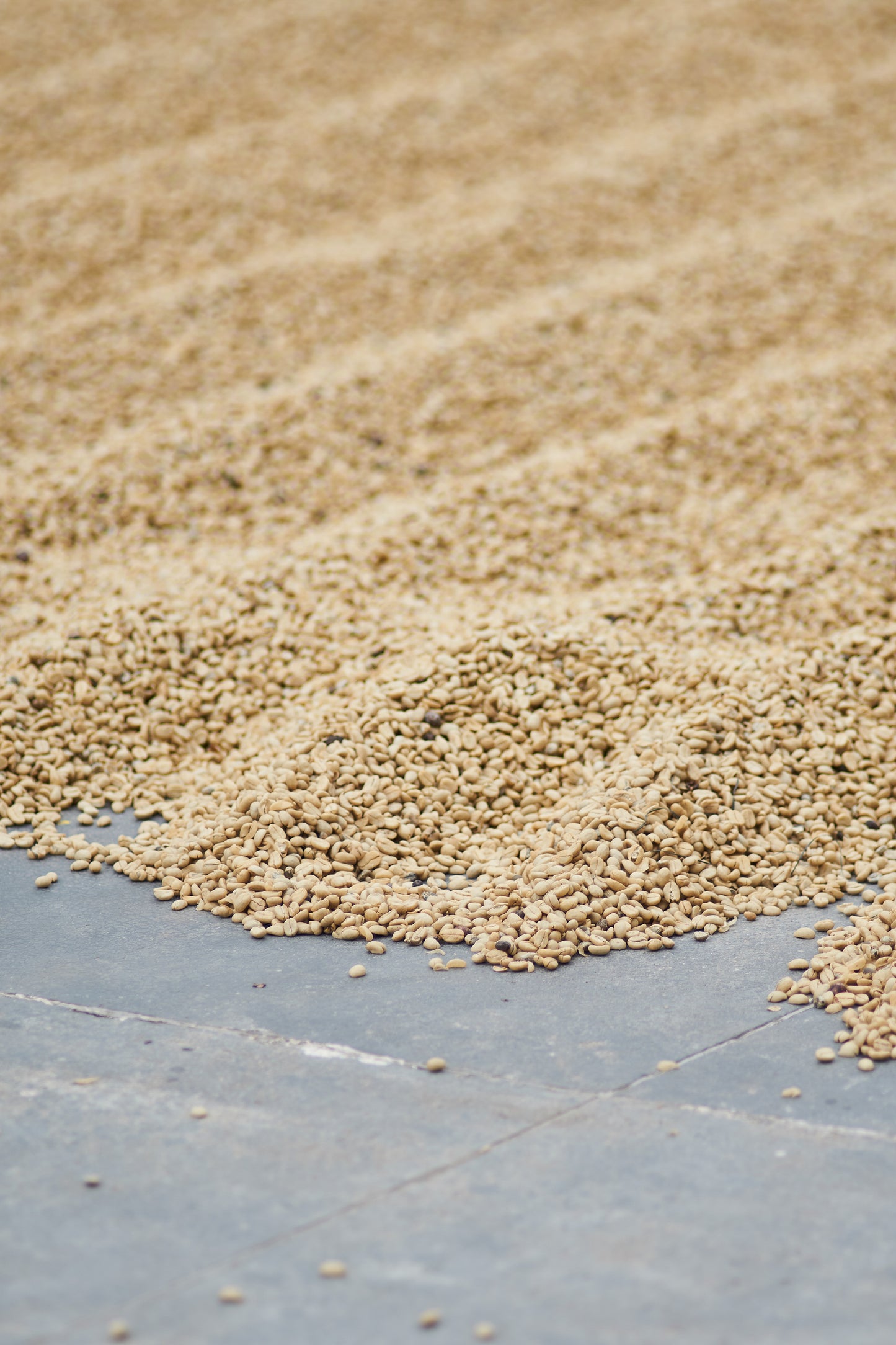
These beans are grown in Chichiquila, at 1200-1800 MASL and are processed fully washed.
Tasting notes: Panela, Red Apple, Morello Cherry, Rosebuds, Peppermint, Pineapple